



Rockstar Under Fire: “Ruthless” Firings Spark Controversy Ahead of GTA 6 Release


The hype for Grand Theft Auto 6 is reaching fever pitch, but behind the scenes at Rockstar Games, a storm is brewing. Recent accusations of “ruthless” firings, targeting over 30 employees reportedly connected to a development union, have ignited a fierce debate about labor practices and the pressure cooker environment surrounding AAA game development. Is this a legitimate case of addressing “gross misconduct,” as Take-Two Interactive, Rockstar’s parent company, claims? Or is it a calculated move to silence dissent and crush unionization efforts, as labor groups allege?
The Allegations: Union Busting or Legitimate Dismissals?
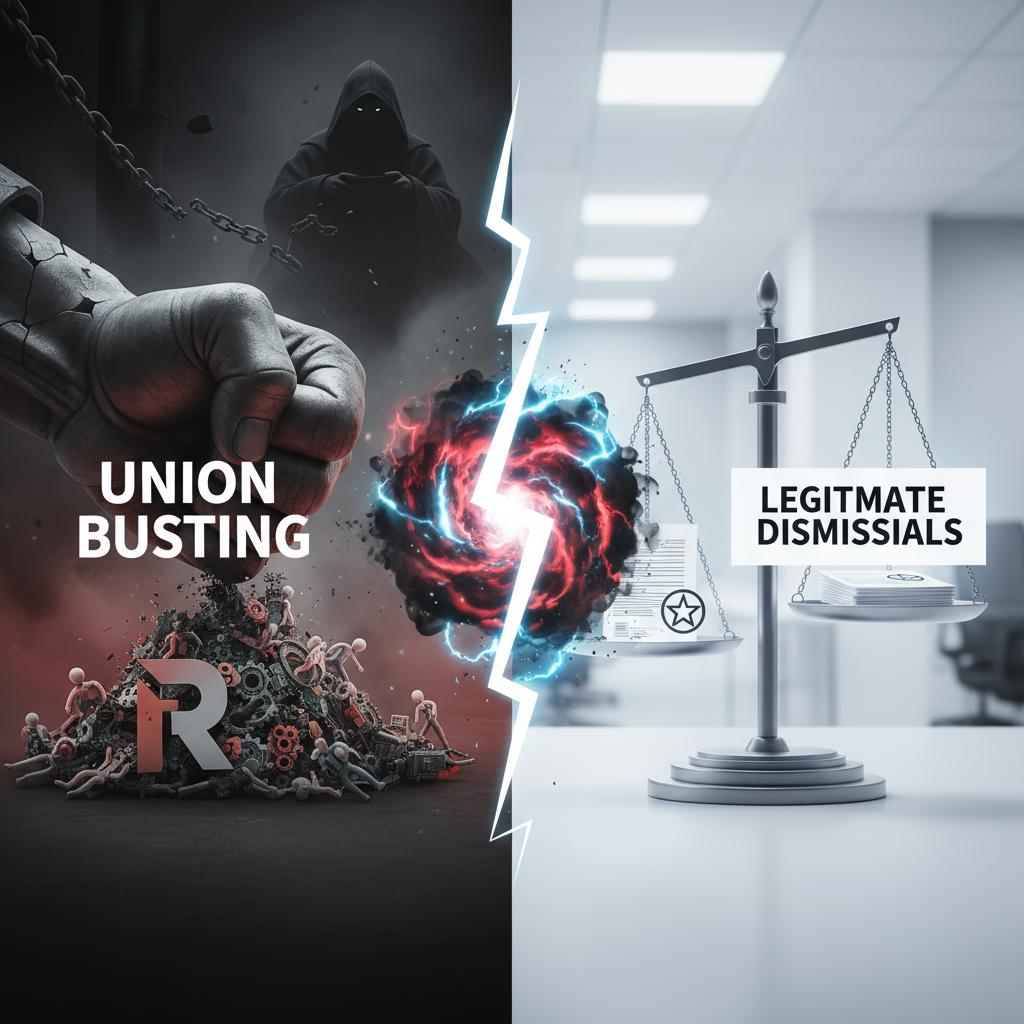
The core of the controversy lies in the timing and nature of the dismissals. According to reports, over 30 Rockstar employees were terminated shortly before the highly anticipated release of GTA 6. What makes these firings particularly contentious is the alleged connection between the terminated employees and a nascent development union. Labor groups claim that Rockstar is attempting to stifle unionization efforts within the company, a move that could have significant implications for worker rights and conditions in the notoriously demanding video game industry.
Take-Two Interactive, however, defends the dismissals, stating that they were a result of “gross misconduct.” The company has not provided specific details about the alleged misconduct, citing privacy concerns. This lack of transparency has fueled speculation and intensified criticism from labor advocates, who argue that the vague justification is a smokescreen for anti-union activities. The lack of concrete evidence from Take-Two makes it difficult to assess the validity of their claims and further exacerbates the situation.
It’s important to consider that large companies often conduct internal investigations and make personnel changes for various reasons. However, the timing, the number of employees involved, and the alleged union ties create a strong appearance of impropriety. The burden of proof arguably rests on Take-Two to demonstrate that the firings were indeed based on legitimate misconduct and not motivated by anti-union sentiment.
The Union’s Response: “We Won’t Back Down”
In the face of these firings, the labor group allegedly connected to the dismissed employees has vowed to fight back. Their statement, “We won’t back down,” signals a determination to challenge Rockstar’s actions and continue their efforts to organize and advocate for better working conditions within the company. This resistance highlights the growing awareness of labor rights within the gaming industry and the increasing willingness of developers to demand fair treatment.
The potential for legal action is significant. If the labor group can demonstrate that the firings were indeed motivated by anti-union animus, Rockstar and Take-Two could face serious legal repercussions. This could include reinstatement of the terminated employees, financial penalties, and mandatory changes to company policy regarding unionization. The legal battle could also shine a brighter light on the often-hidden realities of game development, potentially leading to broader industry reforms.
Furthermore, this controversy could impact the public perception of Rockstar and GTA 6. Gamers are increasingly aware of the ethical considerations surrounding game development, including crunch culture, fair wages, and worker rights. A prolonged and contentious labor dispute could damage Rockstar’s reputation and potentially affect sales of their highly anticipated title.
The Broader Context: Crunch Culture and Unionization in the Gaming Industry
This situation at Rockstar is not an isolated incident. The video game industry has a long history of “crunch culture,” characterized by long hours, intense pressure, and often inadequate compensation. This demanding environment has led to increased calls for unionization in recent years, as developers seek to gain greater control over their working conditions and advocate for better treatment.
The formation of unions in the gaming industry has faced significant resistance from major publishers, who often argue that unionization will stifle creativity and innovation. However, proponents of unions contend that they are necessary to protect workers from exploitation and ensure fair treatment. They argue that a unionized workforce can lead to a more sustainable and equitable industry, benefiting both developers and the companies they work for.
The Rockstar controversy serves as a stark reminder of the ongoing power struggle between game developers and their employers. It underscores the urgent need for greater transparency and accountability within the industry. Ultimately, the outcome of this dispute could have a significant impact on the future of labor relations in the gaming world and set a precedent for how companies respond to unionization efforts.
Looking Ahead: The Stakes are High
The accusations against Rockstar are serious, and the potential consequences are far-reaching. The company’s reputation, the success of GTA 6, and the future of unionization in the gaming industry are all hanging in the balance. It remains to be seen whether Take-Two will provide more transparency regarding the “gross misconduct” allegations or whether the labor group will succeed in challenging the firings.
Regardless of the specific outcome, this controversy has already sparked an important conversation about labor practices and worker rights in the video game industry. It is a conversation that needs to continue, with the goal of creating a more sustainable, equitable, and ethical environment for all those who contribute to the creation of the games we love. The gaming world will be watching closely to see how this unfolds.