



Think PC Prices Are Bad Now? You Better Buckle Up.
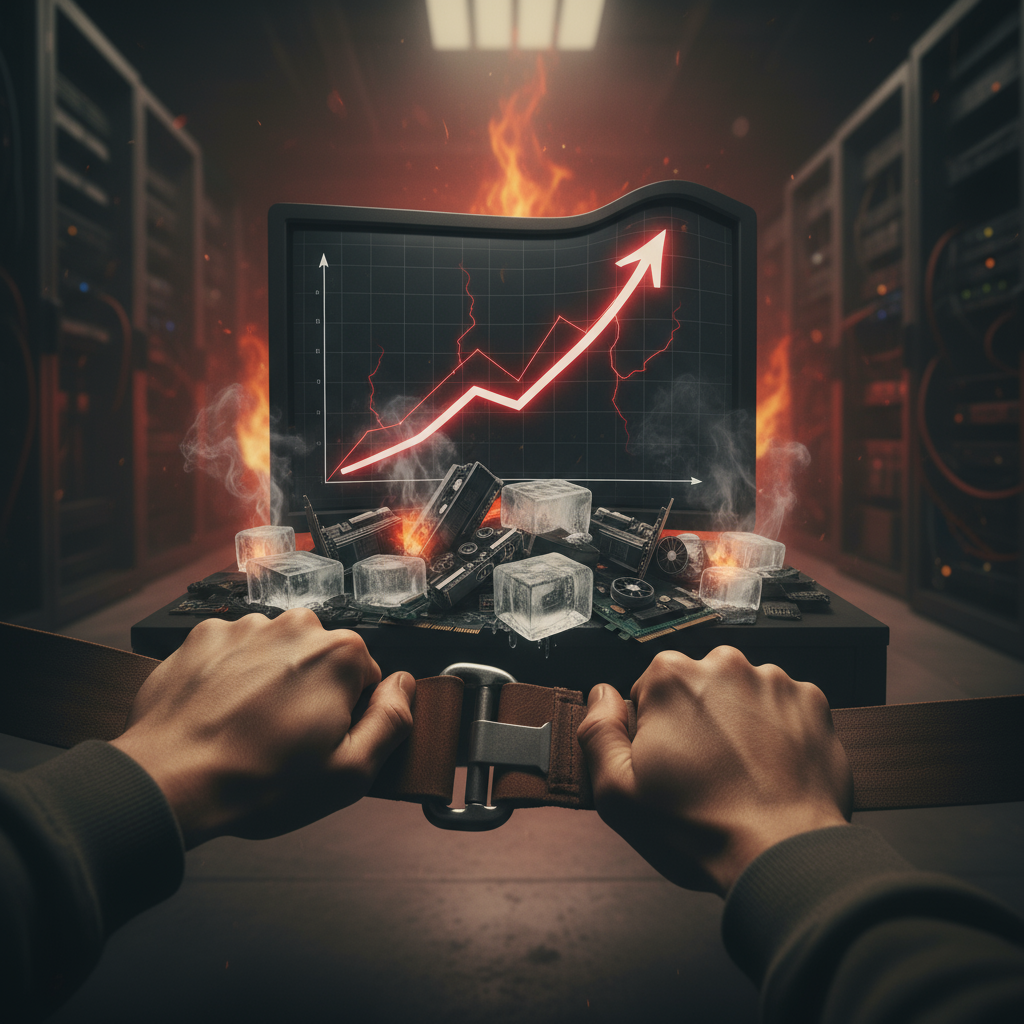
For many PC enthusiasts and casual users alike, the rising cost of computer components has been a growing concern. We’ve weathered cryptocurrency booms, supply chain disruptions, and the ever-present specter of inflation. Just when you thought things might stabilize, it seems the horizon is dotted with even more ominous clouds. If you believe PC prices are already painful, prepare for a bumpy ride, as tariffs and an array of other factors are poised to send costs spiraling further.
This isn’t just about a slight upward tick; we’re talking about a significant shift that could impact everything from pre-built systems to individual graphics cards, processors, and even peripherals. The dream of building an affordable, high-performance machine might soon become even more elusive. Let’s delve into the forces at play and understand why your next PC upgrade might demand a much fatter wallet.
The Shadow of Tariffs: A Price Hike We’ve Already Felt
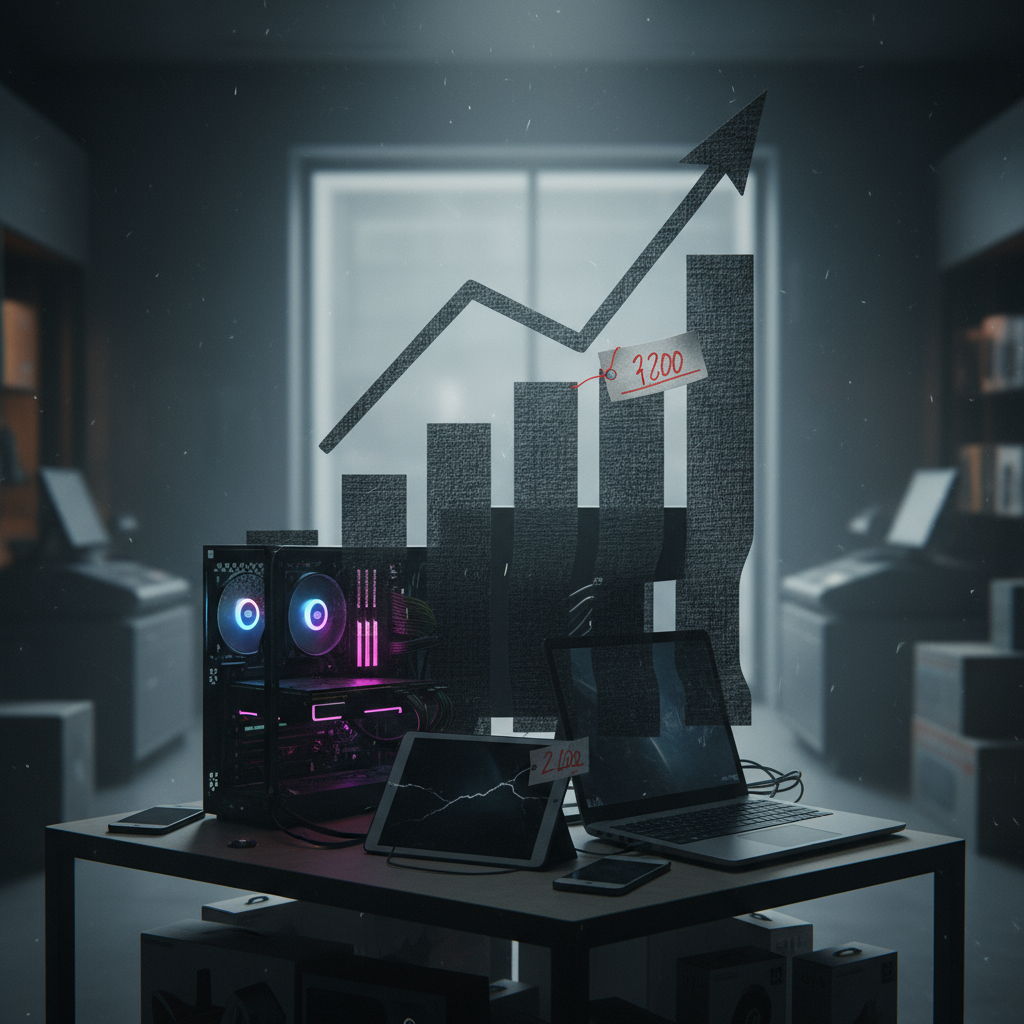
Tariffs are not a new phenomenon, but their impact on the tech industry, particularly PCs, has been substantial and insidious. For years, trade tensions have led to import duties on a wide range of goods, including crucial electronic components and finished products manufactured overseas. These tariffs essentially act as a tax, applied at the border, on imported items.
When a tariff is imposed, manufacturers and distributors have two primary choices: absorb the cost, which eats into their profit margins, or pass it on to the consumer. In a highly competitive market, the latter is often the more common path. This means that if a motherboard or a graphics card component faces a 25% tariff, you, the end-user, are likely paying a significant portion of that directly in the retail price. This trickle-down effect has already silently inflated prices across the board, making even entry-level systems noticeably more expensive than they would have been otherwise.
Think about it: every circuit board, every chip, every chassis component that crosses an international border subject to these duties adds to the final product’s cost. This foundational price increase sets a new baseline, making future price hikes even more impactful.
Beyond Tariffs: A Confluence of Cost-Increasing Factors
While tariffs have been a consistent pain point, several other brewing storms threaten to exacerbate the situation, promising even higher PC part costs in the near future. These factors are multifaceted, ranging from evolving manufacturing costs to unforeseen geopolitical shifts.
- R&D and Manufacturing Cost Increases: Developing cutting-edge technology is incredibly expensive. As processors become more intricate and graphics cards demand greater power efficiency and performance, the research and development costs soar. Furthermore, the manufacturing process for advanced semiconductors, particularly utilizing smaller nanometer processes, requires incredibly precise and costly equipment, leading to higher fabrication expenses. These rising input costs are inevitably reflected in the final retail price.
- Supply Chain Volatility and Geopolitical Events: The COVID-19 pandemic highlighted the fragility of global supply chains. A single disruption, be it a natural disaster, a factory shutdown, or geopolitical tensions, can send shockwaves through the industry. Any conflict or trade dispute involving major component manufacturers or critical raw material suppliers could severely limit availability and drive prices through the roof. The industry is constantly forecasting and reacting to these unpredictable global events.
- Increased Demand for Advanced Computing: The demand for high-performance computing isn’t limited to gaming. AI development, professional content creation, scientific research, and even enterprise cloud infrastructure all require immense processing power. This diverse and growing demand for high-end components like GPUs and CPUs creates competitive pressure, allowing manufacturers to command higher prices. When everyone wants the best, the best becomes more expensive.
- Rising Energy Costs: Manufacturing semiconductors and operating data centers are incredibly energy-intensive processes. With global energy prices experiencing significant volatility, these increased operational costs burden manufacturers, who then pass them on to consumers. From the mining of raw materials to the final assembly, every stage of a PC’s creation is touched by energy costs.
What This Means for Consumers and the Future of PC Building
The combination of entrenched tariffs and these emerging cost pressures paints a rather bleak picture for anyone looking to build or upgrade a PC. For casual users, it might mean compromising on performance or features to stay within budget, settling for older generations of hardware, or turning to integrated graphics solutions. For hardcore gamers and professionals, the barrier to entry for top-tier performance will become significantly higher, potentially pushing more users towards consoles or more expensive pre-built systems.
This trend could also foster a longer upgrade cycle, as consumers hold onto their existing hardware for extended periods rather than frequently updating. The aftermarket for used components might see a boom, but even those prices will likely be influenced by the prohibitive cost of new parts. Innovation might also be subtly affected, with companies needing to balance groundbreaking advancements with the practicalities of soaring production costs.
On the flip side, this challenging environment could spur innovation in other areas, such as more efficient manufacturing processes, alternative material sourcing, or even a greater focus on modular and upgradable designs to extend product lifespans. We might also see a renewed emphasis on software optimization to extract more performance from existing hardware.
Buckle Up: Preparing for the Price Storm
The signs are clear: consumers should brace for higher PC prices across the board. While the exact trajectory is hard to predict, the underlying forces are strong and persistent. If you’ve been contemplating a new build or a significant upgrade, now might be the time to make that move before prices climb even higher.
Staying informed about market trends, potential geopolitical shifts, and manufacturer announcements will be crucial. Understanding the factors driving these costs empowers you to make more intelligent purchasing decisions, whether it means scouting for sales, considering slightly older generation-hardware with excellent value, or even rethinking your computing needs.
The golden age of relatively affordable PC building might be behind us. As the tech landscape continues to evolve, so too will the cost of admission. So, tighten your virtual seatbelts, because the ride ahead is going to be pricier than ever before.