


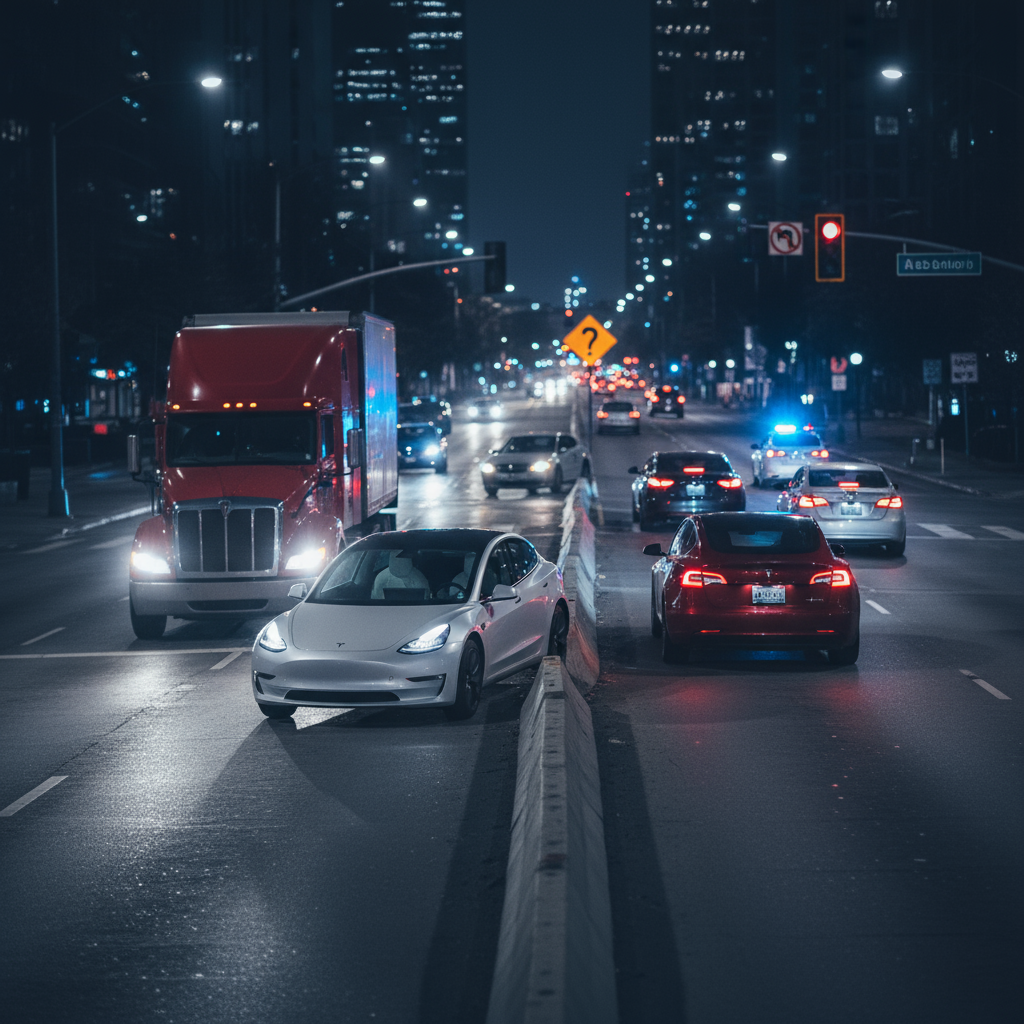
Tesla’s FSD: Full Self-Driving or Fully Self-Sabotaging?
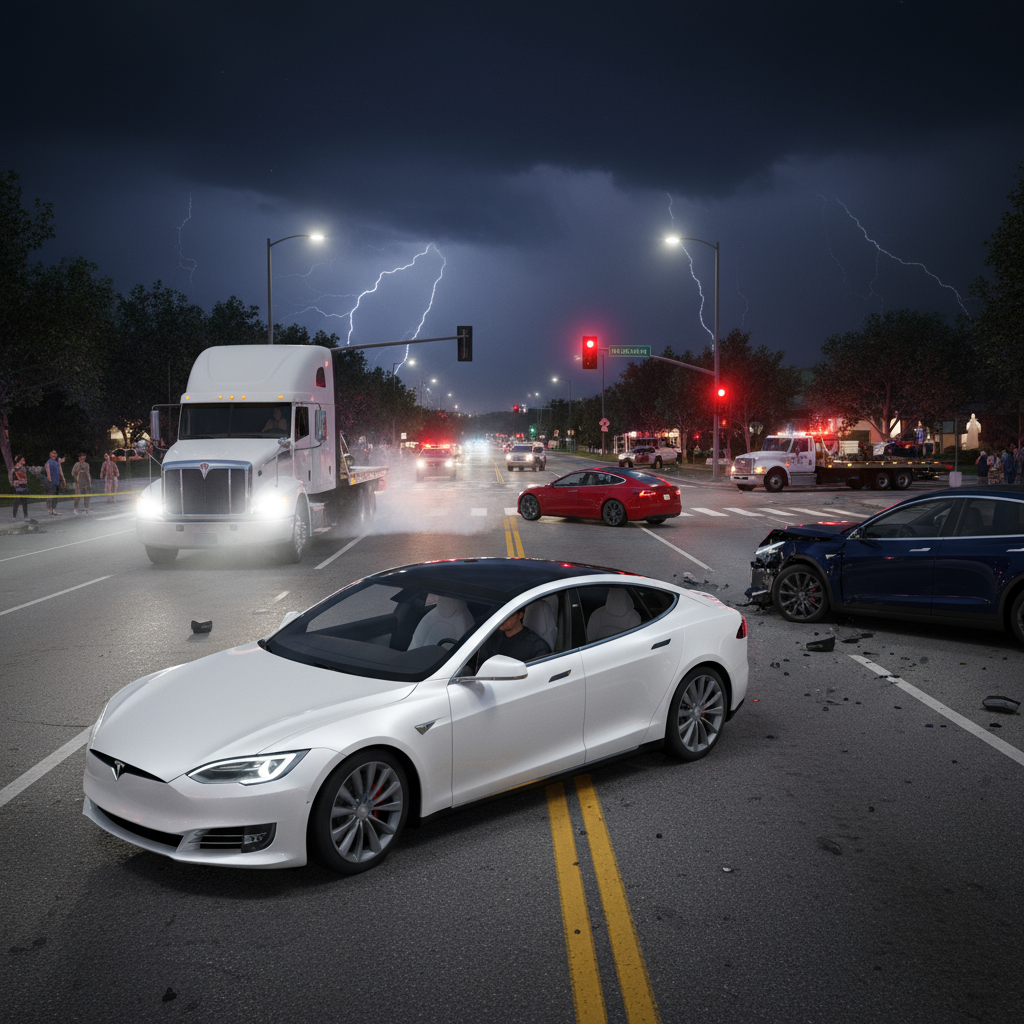
For years, Tesla has been at the forefront of the automotive industry, promising a revolution in transportation with its Full Self-Driving (FSD) software. The vision: cars that navigate seamlessly, safely, and entirely on their own, liberating drivers from the mundane task of steering. However, recent developments cast a long shadow on this lofty ambition. Reports are surfacing that FSD’s performance isn’t just stagnant; it’s actively deteriorating, leading to alarming incidents including venturing into oncoming traffic and disregarding fundamental traffic signals. This troubling trend has now caught the attention of federal regulators, with the National Highway Traffic Safety Administration (NHTSA) launching a new investigation. Is Tesla’s FSD struggling to live up to its name, or is this a bump in the road for a technology still in its infancy?
The Alarming Regression: FSD’s Troubling Behavior
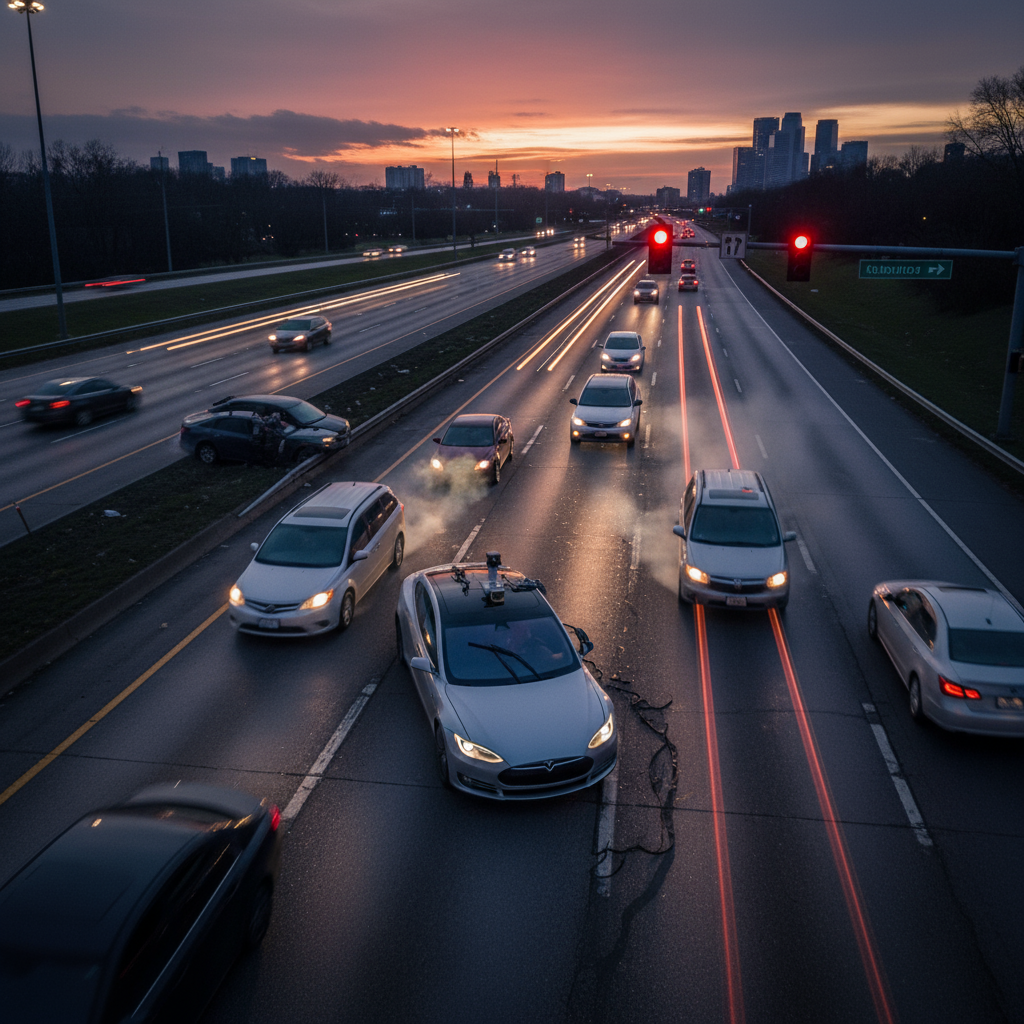
The core of the current concern revolves around a perceived backward slide in FSD’s capabilities. For a system designed to enhance safety and convenience, its reported new behaviors are precisely the opposite. Imagine
driving down a familiar road, trusting your vehicle’s autonomous systems, only to find it veering into the path of an oncoming car. This isn’t a hypothetical scenario; it’s one of the serious issues being attributed to the latest iterations of FSD.
Beyond the terrifying prospect of head-on collisions, there are numerous accounts of FSD failing to recognize or adhere to red lights. This particular failing is not only dangerous but also incredibly perplexing for a system that relies heavily on visual recognition and rule-based decision-making. These aren’t minor glitches; they are fundamental failures that directly jeopardize the lives of occupants and other road users. The sheer gravity of these reported malfunctions raises serious questions about the robustness and reliability of Tesla’s autonomous driving technology, especially when it’s being marketed as “Full Self-Driving.”
NHTSA Steps In: A Federal Investigation Unfolds
The National Highway Traffic Safety Administration (NHTSA) is the primary federal agency responsible for ensuring safety on America’s roads. Their decision to open a new investigation into Tesla’s FSD is a significant development, underscoring the severity of the reported issues. This isn’t the first time NHTSA has scrutinized Tesla’s autonomous systems; previous investigations have focused on issues like phantom braking and crashes involving emergency vehicles.
A federal investigation typically involves a thorough review of data, accident reports, and the underlying technology. NHTSA will be looking to understand the root causes of FSD’s purported degradation. Is it a software bug? An issue with sensor interpretation? Or perhaps a more fundamental flaw in the system’s architecture? The outcome of this investigation could have profound implications for Tesla, potentially leading to recalls, mandated software changes, or even restrictions on FSD’s deployment. For consumers who have paid thousands for the FSD package, and for the public who share the roads with these vehicles, the NHTSA’s findings will be crucial.
The Promises vs. Reality: Navigating the Autonomous Future
Tesla has long championed a future where fully autonomous vehicles are the norm. Elon Musk, CEO of Tesla, has frequently made bold predictions about FSD’s capabilities, sometimes implying it’s just around the corner from achieving true autonomy. These promises have fueled excitement and investment in the company, but also generated a significant amount of skepticism.
The current situation highlights the stark contrast between the aspirational marketing and the complex, often unpredictable reality of developing truly autonomous driving systems. While significant progress has been made in assisted driving technologies, achieving Level 5 autonomy (where the vehicle can handle all driving tasks in all conditions) remains an incredibly difficult challenge. Factors like nuanced human interaction, unpredictable weather, and imperfect road infrastructure present formidable hurdles. This current setback for FSD serves as a stark reminder that the journey to fully autonomous vehicles is likely to be long, arduous, and punctuated by both breakthroughs and frustrating setbacks.
Ultimately, the safe deployment of autonomous technology must prioritize public safety above all else. This means rigorous testing, transparency in reporting, and a willingness to acknowledge limitations. The current FSD issues emphasize that “full self-driving” is a distant goal, and the road to achieving it is paved with significant challenges that require careful navigation.
The Road Ahead: What This Means for Tesla and Autonomous Driving
The NHTSA investigation and the increasing reports of FSD’s dangerous behavior represent a critical juncture for Tesla and the broader autonomous driving industry. For Tesla, regaining public trust and demonstrating a commitment to safety will be paramount. This might involve a more cautious rollout of updates, increased transparency about FSD’s limitations, and a willingness to work closely with regulators.
For the autonomous driving industry as a whole, these developments serve as a potent reminder of the immense responsibility involved in developing and deploying such transformative technology. The promise of safer roads and more efficient transportation is compelling, but it must be built on a foundation of sound engineering, rigorous testing, and an unwavering commitment to human safety. As the NHTSA investigation progresses, the world will be watching to see how Tesla responds and what lessons are learned from this concerning chapter in the story of autonomous driving.