


Finland’s Frosty Reality Check: Are EVs Struggling Under Scrutiny?
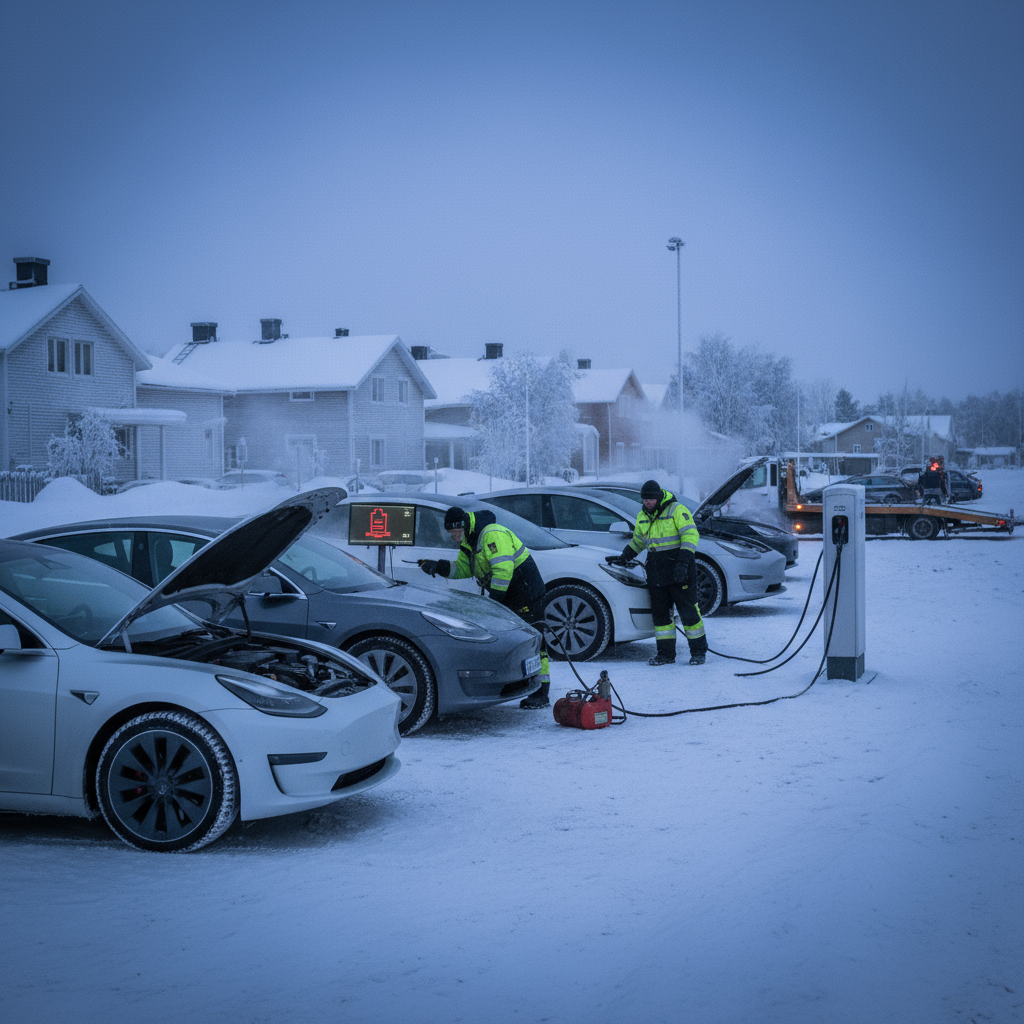
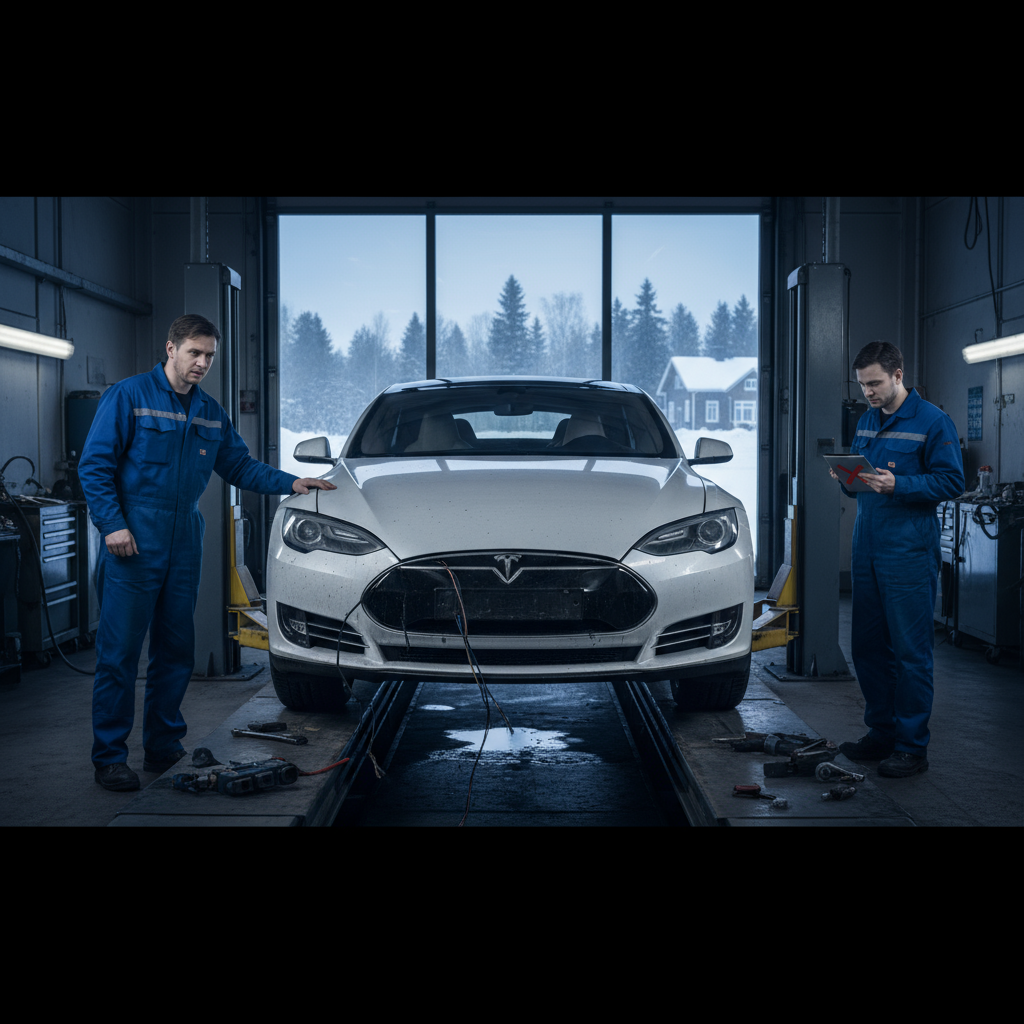
The electric vehicle (EV) revolution is in full swing, with manufacturers proudly showcasing cutting-edge technology, instant torque, and zero emissions. But what happens when these futuristic machines face the gritty reality of a mandatory annual inspection, especially in a country known for its demanding climate? Recent findings from Finland suggest a surprising answer: electric cars, particularly Teslas, are flunking inspections at a significantly higher rate than their internal combustion engine (ICE) counterparts. This revelation challenges some long-held perceptions and begs the question: are EVs truly as robust as we believe, or are there underlying vulnerabilities in their design and manufacturing, especially in challenging environments?
The Startling Statistics: A Cold Welcome for EVs
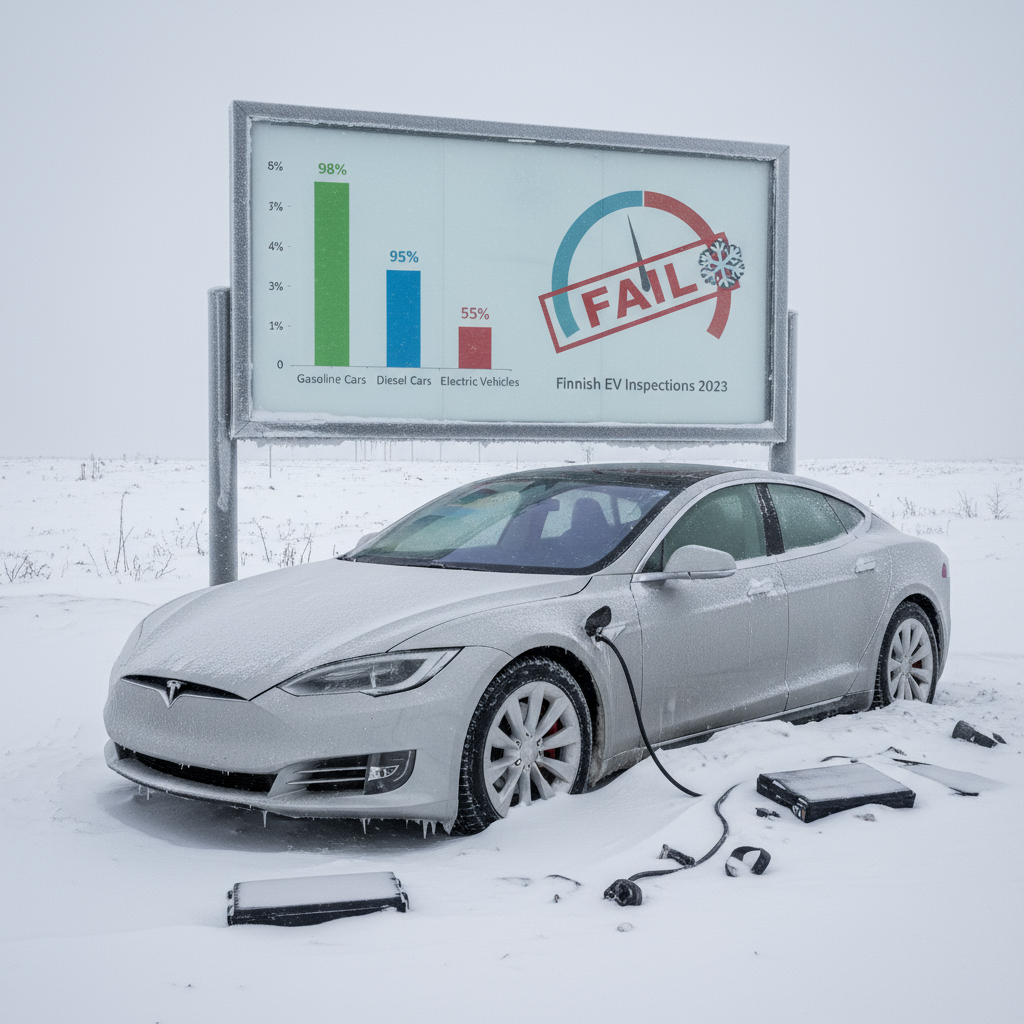
According to a report from Yle, Finland’s national public broadcasting company, the inspection results are stark. Electric cars, as a category, performed worse than traditional gasoline and diesel vehicles. However, the most eye-opening statistic targets one of the EV industry’s titans: Tesla. A staggering number of Teslas, reportedly up to half, failed their first technical inspection. This isn’t a minor issue; it indicates potential systemic problems that warrant closer examination. When a brand synonymous with innovation and premium pricing consistently struggles with basic roadworthiness, it raises eyebrows across the automotive world.
These figures aren’t just a blip on the radar; they represent a significant deviation from what many consumers and industry experts might expect. EVs are often touted for their simpler powertrains and fewer moving parts, which theoretically should lead to greater reliability and fewer failures. Yet, the Finnish data paints a different picture, suggesting that other components might be bearing the brunt of everyday wear and tear, or perhaps, design flaws are emerging under specific conditions.
Unpacking the Flaws: What’s Going Wrong?
So, what exactly are the common culprits behind these inspection failures? The report highlights several key areas where electric vehicles, and Teslas in particular, fall short. These aren’t typically issues with the electric motor or battery, which tend to be robust. Instead, the problems often lie in components that are shared with, or analogous to, ICE vehicles, but perhaps under greater stress due to the unique characteristics of EVs.
- Suspension Components: High vehicle weight, a hallmark of many EVs due to heavy battery packs, puts immense strain on suspension systems. Finnic roads, often subject to harsh winters and freeze-thaw cycles, can exacerbate these stresses. Worn bushings, failing ball joints, or prematurely deteriorating shock absorbers can lead to significant handling and safety issues, and are common inspection failures.
- Brake Systems: While EVs benefit from regenerative braking, which reduces wear on friction brakes, there’s a flip side. The physical brakes are used less frequently, paradoxically leading to issues like corrosion or seizing, especially in damp or salty conditions. When they are needed for emergency stops, they must perform flawlessly, and inspections are designed to ensure this.
- Lighting and Electrical Systems (Beyond Powertrain): Modern vehicles, especially premium EVs, are packed with complex electronics beyond the powertrain. Faulty headlamps, taillights, or even minor electrical glitches can lead to inspection failures. While not unique to EVs, the sheer complexity and integration in some models might present new diagnostic and repair challenges.
- Software Glitches: Although less common in physical inspections, software issues can sometimes manifest as operational failures that would be flagged. While direct software failures aren’t typically what inspectors look for, underlying issues could influence mechanical components or displays, leading to a “fail.”
It’s crucial to consider the context: Finland’s demanding climate and road conditions are a perfect storm for highlighting vehicle weaknesses. Extreme cold can affect material properties, while salty roads accelerate corrosion. These factors, combined with the inherently heavier nature of EVs, seem to be exposing vulnerabilities that might go unnoticed in more temperate regions or less rigorous inspection regimes.
Beyond the Snapshot: Broader Implications and Considerations
These Finnish findings are more than just a local anecdote; they offer valuable insights for the global EV industry and consumers.
- Quality Control and Design: The high failure rates, particularly for a prominent brand like Tesla, raise questions about manufacturing quality control and design robustness for certain components. Are suppliers for rapidly scaling EV manufacturers adequately meeting durability requirements, especially for regions with challenging conditions? Do EV manufacturers need to re-evaluate their component selection and testing regimes to account for the increased weight and potentially different wear patterns of electric vehicles?
- Consumer Awareness: For potential EV buyers, these reports underscore the importance of looking beyond battery range and acceleration. Total cost of ownership includes maintenance and potential repair costs, and if commonplace parts like suspension and brakes are failing prematurely, those costs could add up. It also highlights the need for thorough pre-purchase inspections of used EVs, especially if they’ve operated in harsh climates.
- Maintenance and Service Networks: As the EV fleet grows, so too does the need for competent and accessible service networks. Diagnosing and repairing issues specific to EVs, even “traditional” components subjected to EV-specific stresses, requires specialized knowledge and tools. If a manufacturer’s service network is unprepared, it can exacerbate the problem for owners.
- Standardization and Regulation: Could these findings lead to calls for revised testing standards or design guidelines, particularly concerning common wear-and-tear components in EVs? As the global fleet transitions to electric, ensuring baseline safety and durability across all vehicles, regardless of powertrain, remains paramount.
It’s also important to note that these figures represent a snapshot in time, likely focusing on newer EVs that are undergoing their very first inspection. As the EV market matures and designs evolve, some of these issues may be addressed. However, the current data serves as a critical warning and a call for ongoing improvement.
The Road Ahead: Learning from Finland’s Experience
The Finnish inspection results provide a sobering, yet valuable, reality check for the electric vehicle industry. While the core electric powertrain remains highly reliable, the surrounding components, particularly those responsible for handling the vehicle’s considerable weight and interacting with challenging road conditions, are demonstrating significant vulnerabilities.
This isn’t a reason to abandon the EV transition, but rather an imperative to refine it. Manufacturers must take these findings seriously, investing in more robust component design, rigorous testing in diverse environments, and improved quality control. Consumers, in turn, should approach EV ownership with a more nuanced understanding of potential maintenance needs and consider the full picture of reliability beyond just the battery and motor. Finland’s frosty inspections provide a crucial lesson: the future of mobility must not only be electric but also unequivocally durable and safe, no matter the conditions outside the charging port.