


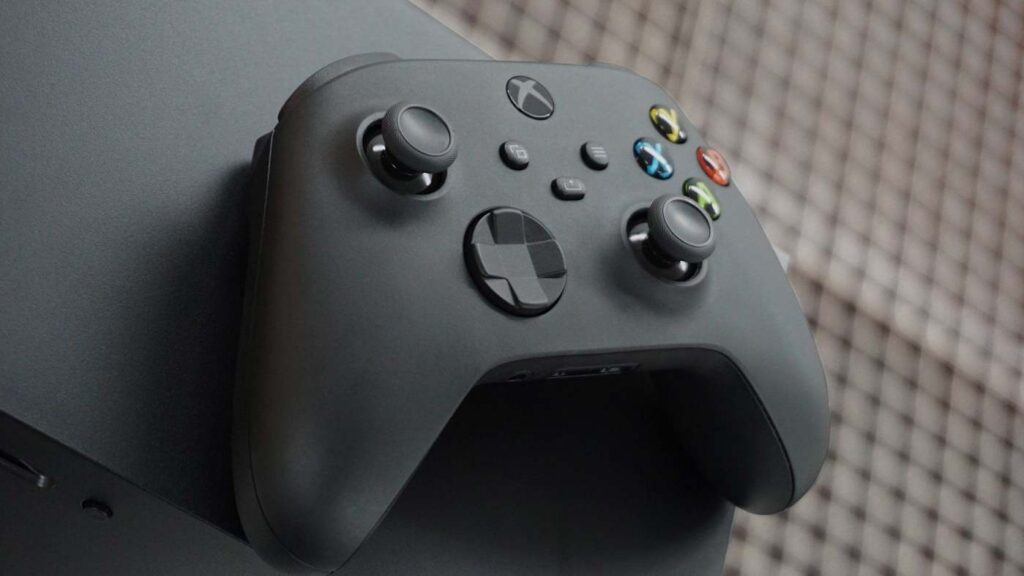
The Morning After: Did Xbox Just Hit a Speed Bump, or a Brick Wall?
The sun rises, the birds chirp, and the latest Microsoft earnings report drops – revealing a stark reality for Xbox: console revenue took a significant tumble. A 30% year-over-year drop in hardware revenue for the quarter ending September 30th has left many in the gaming world scratching their heads and wondering, “What happened?” Was it a momentary blip, a delayed reaction to market forces, or a sign of deeper troubles brewing in the House of Xbox?
While the red ink on the hardware side is undeniable, the full picture is a bit more nuanced. Let’s delve into the details, dissect the contributing factors, and try to predict what the future holds for Microsoft’s gaming ambitions.
The Numbers Don’t Lie: A Deep Dive into the Decline
A 30% drop in console revenue is nothing to sneeze at. It’s a significant downturn that warrants serious examination. The timing is particularly interesting, as this decline predates the console price increases that went into effect on October 3rd. Meaning, this wasn’t a case of sticker shock deterring potential buyers. So, what *was* driving the dip?
Several factors could be at play. One possibility is simply the natural ebb and flow of console cycles. The Xbox Series X and S have been on the market for a few years now. Early adopters have already made their purchases, and the initial hype has subsided. As we move closer to the inevitable mid-generation refresh or the next generation entirely, some consumers may be holding back, waiting to see what’s next.
Another contributing factor could be supply chain issues that, while largely improved, may have still lingered during the reporting period. Difficulty securing components or logistical hurdles could have impacted production and availability, ultimately affecting sales. Furthermore, competition from other consoles, like the PlayStation 5 and Nintendo Switch, undoubtedly plays a role. Each platform caters to a different audience and offers unique experiences, influencing consumer choices.
Game Pass to the Rescue? Content and Services Hold Steady
While the hardware side of the business took a hit, the silver lining in Microsoft’s earnings report lies in the relatively stable performance of Xbox content and services. This encompasses the ever-growing and increasingly vital Game Pass ecosystem. Revenue from this sector remained largely unchanged compared to the same period last year, highlighting the importance of subscription models in the modern gaming landscape.
Game Pass has become a cornerstone of Microsoft’s gaming strategy. It offers players access to a vast library of games for a monthly fee, making it an attractive option for budget-conscious gamers. The inclusion of first-party titles on Game Pass from day one is a major draw, ensuring a steady stream of subscribers. This model provides a recurring revenue stream, offsetting some of the volatility associated with hardware sales.
However, even Game Pass isn’t immune to challenges. Microsoft recently raised the price of Game Pass Ultimate, potentially alienating some subscribers. Whether this price hike will significantly impact subscription numbers remains to be seen, but it’s a risk that could affect future revenue.
Beyond the Numbers: Layoffs, Cancellations, and the Broader Strategy
The financial report comes against the backdrop of significant restructuring within Microsoft’s gaming division. Earlier this year, the company implemented workforce reductions, impacting several studios and projects. Notably, the reimagining of *Perfect Dark* was reportedly affected, raising concerns about the company’s commitment to certain titles and genres.
These layoffs, while often framed as necessary for streamlining operations, can have a demoralizing effect on employees and raise questions about the long-term vision. Canceling projects, even those still in development, can disappoint fans and cast doubt on the future of beloved franchises. It suggests a shift in priorities or a reevaluation of the company’s creative output.
These decisions beg the question: is Microsoft relying *too* heavily on Game Pass, potentially at the expense of traditional game development and sales? While the subscription model is undoubtedly important, it’s crucial to maintain a healthy balance between subscription-based revenue and the sales of individual games. A diverse portfolio of games across various genres and price points is essential for attracting a wide audience and ensuring long-term success.
Looking Ahead: Navigating the Shifting Sands of the Gaming Industry
The 30% drop in Xbox hardware revenue serves as a wake-up call. While Game Pass provides a stable revenue stream, Microsoft cannot afford to neglect the importance of console sales and traditional game development. The company needs to carefully navigate the shifting sands of the gaming industry, adapting to changing consumer preferences and competition.
Investing in new and innovative games, supporting existing franchises, and addressing supply chain challenges will be crucial for revitalizing console sales. It’s also important to foster a positive and supportive work environment to retain talented developers and ensure a steady flow of high-quality content. The future of Xbox hinges on Microsoft’s ability to strike the right balance between subscription services, hardware sales, and the creation of compelling gaming experiences.
Only time will tell if this year was just a speed bump, or a sign of more significant challenges ahead for Xbox. The gaming landscape is constantly evolving, and Microsoft’s ability to adapt and innovate will determine its long-term success. The ball, as they say, is firmly in their court.