

The Dark Side of the Algorithm: How TikTok Influencers Are Fueling a Black Market for Weight-Loss Drugs
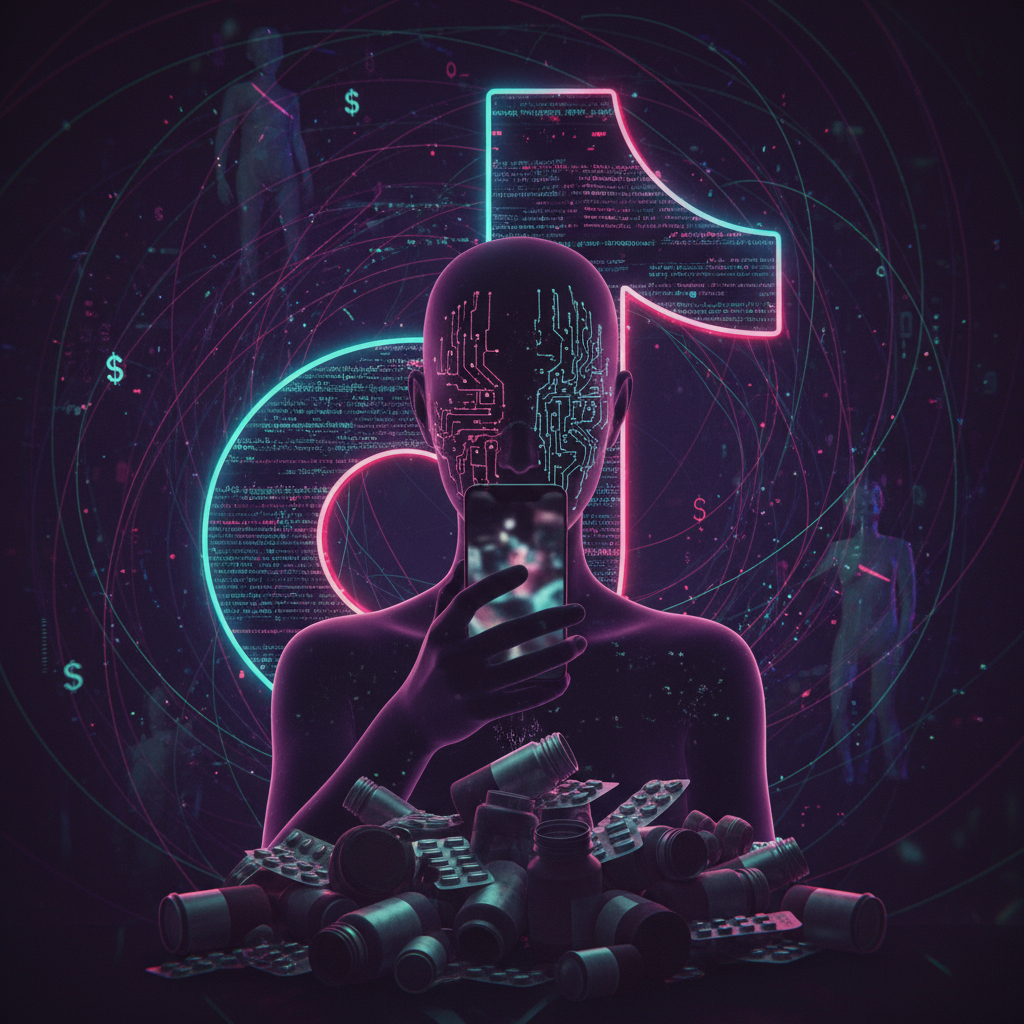

In an age where health and beauty trends dominate our social media feeds, a disturbing new phenomenon is emerging: TikTok influencers are inadvertently (or perhaps even directly) fueling a parallel market for unlicensed and potentially dangerous weight-loss drugs. What begins as a seemingly harmless product review or a success story can quickly devolve into a treacherous pathway for desperate individuals seeking quick fixes, often without understanding the profound risks involved.
The allure of rapid weight loss, amplified by viral videos and testimonials, is creating a perfect storm. While reputable pharmaceutical companies are developing breakthrough medications, the demand is vastly outstripping supply. This scarcity, combined with the power of social media to disseminate information (and misinformation), has opened a Pandora’s Box, ushering in a shadowy marketplace where health and safety are dangerously compromised.
From Viral Trend to Underground Trade: The Genesis of the Problem
The rise of highly effective weight-loss medications like GLP-1 agonists has been a medical marvel, offering hope to millions struggling with obesity. However, FDA and MHRA approval processes are rigorous, leading to controlled distribution and often, limited availability. This gap between genuine medical innovation and public access has become a breeding ground for illicit activities.
Enter TikTok influencers. With their unparalleled reach and ability to cultivate trust with their followers, they’ve become unintended gatekeepers to information, both legitimate and otherwise. Many influencers, either paid or genuinely enthusiastic, share their experiences with authorized weight-loss drugs. This high-profile endorsement, however, creates a significant ripple effect. It normalizes the idea of pharmaceutical intervention for weight loss and, more critically, drives immense demand. When legitimate channels falter, individuals turn to alternative sources, often found through the very platforms that sparked their interest.
The Digital Pipeline: How the Black Market Operates
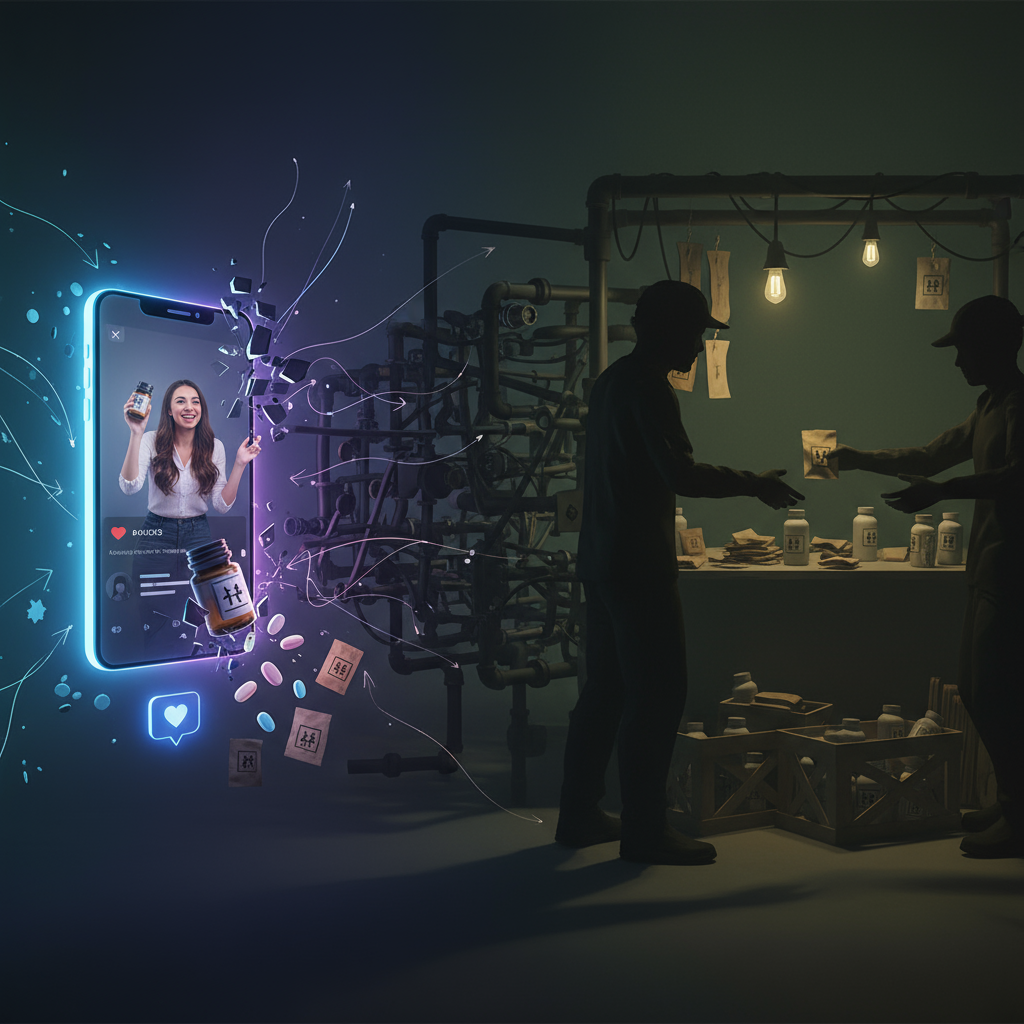
The journey from a TikTok trend to an illicit drug purchase often begins innocently enough. A user might see a “before and after” transformation video, or a glowing review of a specific medication. Intrigued, they dive deeper into the comments section, where whispers of alternative sources begin to appear. These leads often point to encrypted messaging platforms like Telegram and WhatsApp.
On these platforms, unlicensed vendors operate with alarming impunity. They offer what appear to be legitimate versions of popular weight-loss drugs, such as Retatrutide (a drug still in clinical trials and not yet approved for public use), often at a fraction of the cost or without the need for a prescription. The anonymity these apps provide makes it incredibly difficult for regulatory bodies to track and prosecute these illicit sellers. The “influencer effect” plays a crucial role here; the initial exposure on TikTok provides the legitimacy that these underground channels then exploit.
The Perilous Price of Unregulated Purchases: Health and Financial Risks
The immediate and most alarming consequence of this parallel market is the grave risk to public health. Unlicensed drugs are not subject to the stringent quality control and safety checks that characterize approved pharmaceuticals. This means several dangerous possibilities:
- Counterfeit Products: The “drug” purchased could be a completely inert substance, offering no therapeutic benefit.
- Contaminated or Improperly Dosed Medications: Worse, it could contain harmful contaminants, incorrect ingredients, or an dangerously high or low dosage of the active substance, leading to severe side effects, allergic reactions, or even overdose.
- Lack of Medical Supervision: Even if the drug itself were genuine, using powerful medications without proper medical consultation and supervision is inherently risky. A doctor assesses individual health conditions, potential drug interactions, and monitors for adverse effects – all safeguards absent in the black market.
Beyond the direct health implications, there are significant financial risks. Consumers are often scammed, paying for products that never arrive or are completely fraudulent. Recourse is virtually non-existent, leaving individuals out of pocket and potentially in a worse position than when they started. The psychological toll of being scammed, coupled with the desperation that drove the purchase, can be immense.
Combating the Algorithm’s Dark Side: A Multi-faceted Approach
Addressing this complex issue requires a collaborative effort from multiple stakeholders.
- Platform Accountability: Social media platforms like TikTok have a moral and ethical responsibility to monitor and remove content that promotes or facilitates the sale of unlicensed medications. Their algorithms, so effective at viral dissemination, must also be employed to identify and curb this dangerous trend.
- Influencer Responsibility: Influencers themselves must be educated on the profound impact of their content. Promoting unapproved or black-market products – even indirectly – can have devastating consequences. Transparency about sponsorships and a clear disclaimer regarding the dangers of unauthorized medications are crucial.
- Public Education and Awareness: A strong public awareness campaign is vital. People need to understand the dangers of purchasing medication outside of legitimate medical channels, the potential for harm, and where to seek credible information and support for weight management.
- Regulatory Action: Law enforcement and regulatory bodies must enhance their efforts to track down and prosecute individuals and networks involved in the illicit trade of pharmaceutical drugs. This includes international cooperation to dismantle cross-border operations.
The quest for health and an improved body image is deeply personal, and it’s understandable why people are drawn to solutions that promise quick results. However, the shortcuts offered by the parallel market are paved with peril. The viral nature of social media, while powerful for connection and information sharing, also carries a profound responsibility. It’s time for platforms, influencers, and individuals alike to recognize the dangers lurking in the algorithm’s shadows and collectively work towards a safer, more informed digital environment. Otherwise, the pursuit of a slimmer waistline could lead to far more serious health complications.