


A Glimmer of Hope or a Pandora’s Box? YouTube’s “Second Chance” for Banned Creators
The world of online content creation is a tightrope walk. Creators strive for virality, engagement, and a sustainable career, all while navigating the ever-evolving community guidelines of platforms like YouTube. For those who stumble, particularly into the realm of misinformation, the fall can be swift and permanent. But what if there was a path back? YouTube, in a surprising move, has recently unveiled a “Second Chance” program, offering a glimmer of hope to some creators previously banned for misinformation. However, as with most platform policy changes, the devil is in the details, and this new initiative is already sparking intense debate.
This bold shift by YouTube acknowledges the complexities of content moderation and the potential for creators to learn from their mistakes. It’s an attempt to balance platform integrity with the desire to foster a diverse creator ecosystem. But what does this “second chance” truly entail, and for whom is it intended? Let’s delve deeper into this intriguing development.
The Nuances of Redemption: Who Qualifies for a Second Chance?
The core of YouTube’s new program lies in its specific criteria for eligibility. Essentially, this “second chance” is extended to creators who were permanently banned for violating YouTube’s misinformation policies. This includes, but isn’t limited to, content related to:
- COVID-19 misinformation: False claims about the virus, vaccines, or treatments.
- Election integrity: Disputed information challenging the legitimacy of democratic processes.
- Hate speech: While not strictly misinformation, violations here often lead to bans and fall under content that is deemed harmful.
- Other forms of “harmful content” misinformation: This could encompass various topics where false claims could lead to real-world harm.
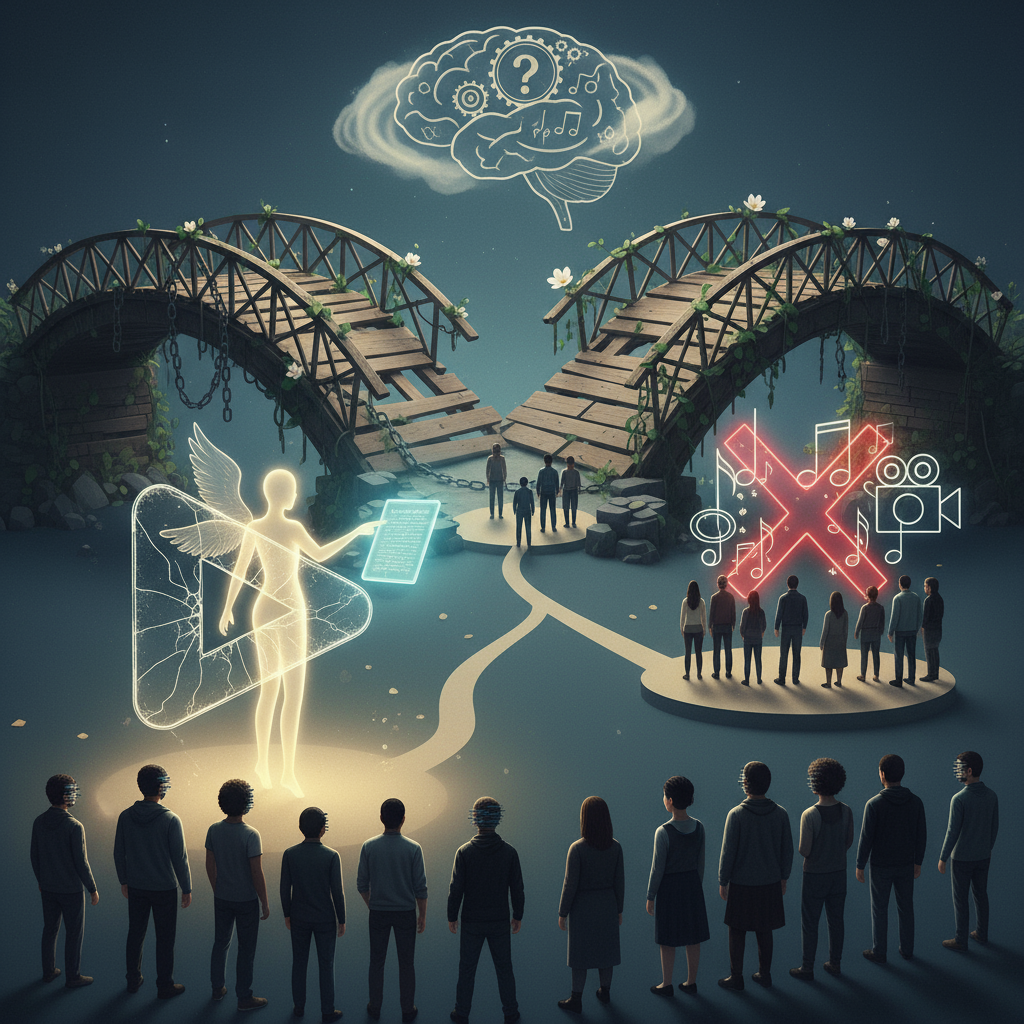
This program is not a blanket amnesty. Crucially, creators banned for certain severe violations, such as child exploitation or violent extremism, remain permanently barred. Furthermore, and a point of considerable contention, creators banned due to copyright strikes are explicitly excluded from this initiative. This distinction highlights YouTube’s prioritization of intellectual property rights over content policy violations in this specific “second chance” context. The rationale behind this exclusion isn’t fully elucidated, but it suggests a differentiation in the perceived severity and direct impact of these different types of violations on the platform and its legal obligations.
The Road to Reinstatement: A New Channel, Not an Old One
For those who do qualify, the “second chance” doesn’t mean their old channel, with its established subscriber base and monetization history, will be restored. Instead, eligible creators will be given the opportunity to apply for a *new* channel. This is a significant distinction that underscores YouTube’s commitment to holding creators accountable for past actions while still offering a path forward.
The process for applying for a new channel is expected to involve:
- An appeal process: Creators will likely need to demonstrate an understanding of their past violations and express a commitment to adhering to YouTube’s guidelines going forward.
- A probationary period: New channels might be subject to stricter scrutiny and monitoring, especially in the initial stages.
- Educational resources: YouTube may require creators to undergo training or review educational materials on content policies to ensure a clearer understanding of what constitutes acceptable content.
This approach allows YouTube to mitigate the risk of repeat offenses while offering a genuine opportunity for creators to rebuild their presence from scratch. It also places the onus squarely on the creator to prove their reformed intent and commitment to responsible content creation.
Addressing the Concerns: Fairness, Consistency, and the Misinformation Problem
The announcement of this program has inevitably sparked a lively debate among creators, policy experts, and the general public.
On one hand, proponents argue that:
- It offers redemption: People make mistakes, and with proper education and a commitment to change, they deserve a chance to reintegrate.
- It fosters learning: By offering a path back, YouTube encourages creators to understand and respect its guidelines more deeply.
- It acknowledges nuance: Not all misinformation is created equal, and some bans might have been a result of evolving policies or unintentional errors.
However, critics raise valid concerns:
- The “slippery slope” argument: Some fear this program could open the floodgates for a return of bad actors, potentially undermining YouTube’s efforts to combat misinformation.
- Fairness to compliant creators: There’s a question of fairness to creators who have consistently adhered to guidelines, while previously banned individuals are offered a path back.
- The definition of “misinformation”: The subjective nature of what constitutes misinformation often leads to debate, and critics worry about the consistent application of these policies.
- Exclusion of copyright strikes: The decision to exclude copyright violations is seen by some as an inconsistency, as copyright infringement can also have significant financial and creative impacts.
YouTube’s challenge will be to ensure rigorous vetting and ongoing monitoring to prevent the program from being exploited. Transparency in its decision-making process will also be crucial to maintaining trust within the creator community.
The Path Forward: A Calculated Risk for YouTube
YouTube’s “Second Chance” program is a bold and arguably risky move. It reflects a growing recognition that permanent bans, while necessary in some cases, might not always be the most effective long-term solution for fostering a healthy content ecosystem. By offering a structured path to re-entry for certain banned creators, YouTube is essentially betting on the capacity for rehabilitation and genuine learning.
The success of this program will hinge on several factors: the clarity of its criteria, the robustness of its review process, and YouTube’s unwavering commitment to upholding its content policies even as it extends a hand of forgiveness. While the debate will undoubtedly continue, this initiative marks a significant turning point in the ongoing conversation about accountability, redemption, and the future of online content creation. It’s a reminder that the digital landscape is constantly evolving, and platforms like YouTube are continually grappling with the complex ethical and practical challenges of managing the vast, often unpredictable world of user-generated content.