

Google Pixel’s October Patch: Slaying the Display Demons, One Update at a Time

The leaves are turning, pumpkin spice is everywhere, and a new month means one thing for Google Pixel owners: another security patch! While October’s update brings the usual suite of critical security fixes, there’s a particular relief echoing through the Pixel community. It seems Google is continuing its valiant quest to banish those stubborn, “haunting” display problems that have plagued some devices. For many, this isn’t just a routine patch; it’s a glimmer of hope that their beloved Pixel screens will finally be free from ghostly flickers, unwelcome tints, and inconsistent brightness.
For a brand that prides itself on premium hardware and a seamless user experience, these display quirks have been a thorn in Google’s side. While not affecting every device, the reported issues have been significant enough to cause frustration and erode a bit of that “Pixel perfection” mystique. So, what exactly has been going on, and how is this latest patch aiming to set things right?
The Persistent Pixel Display Predicament
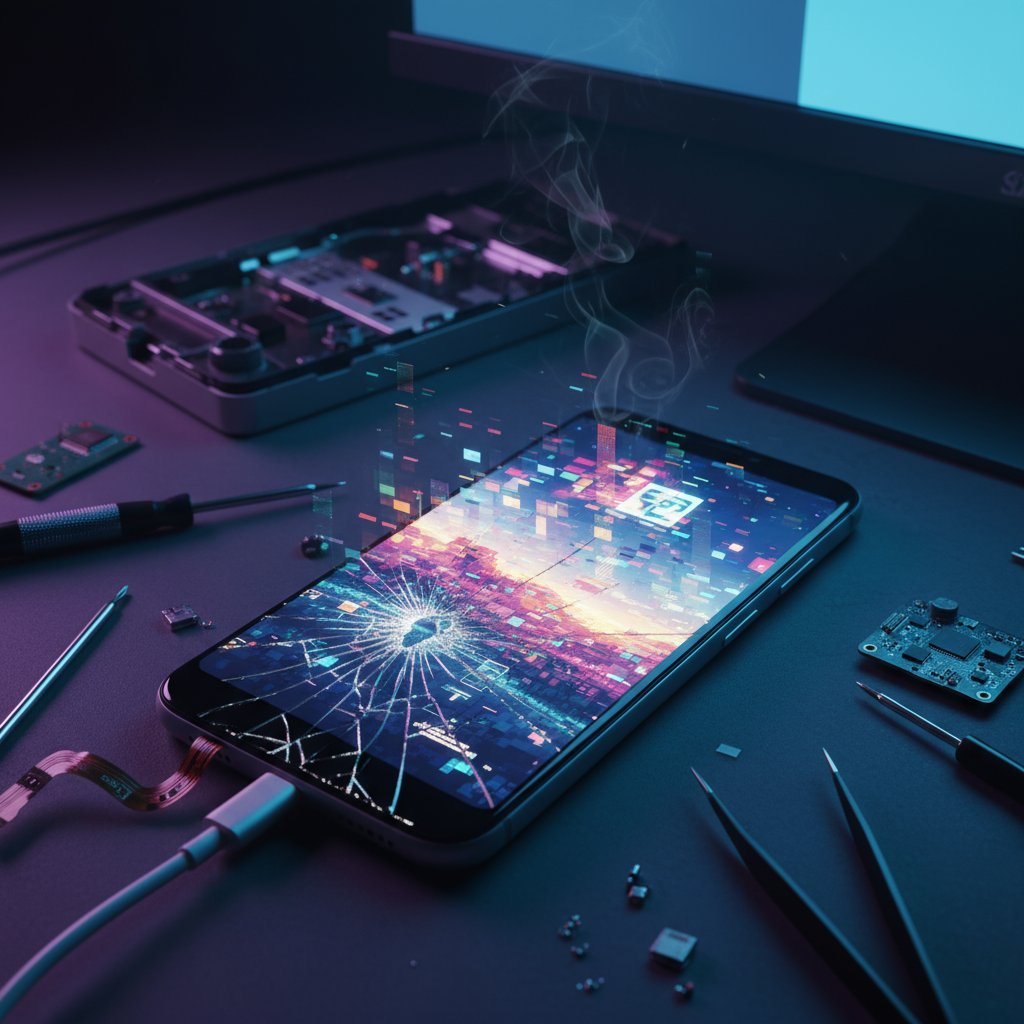
Google Pixel phones, particularly some of the newer generations, have unfortunately been subject to a variety of display anomalies. These aren’t usually catastrophic, but they’re certainly noticeable and detrimental to the user experience. Imagine scrolling through your social media feed only to notice a subtle green tint on your white backgrounds, or watching a YouTube video where dark scenes appear unevenly lit. These are the kinds of “haunting” issues users have reported.
One of the most commonly cited problems has been a subtle green tint or “grain” in uniform dark backgrounds, especially noticeable at low brightness levels. This isn’t just an aesthetic flaw; it can make consuming content in dimly lit environments a real chore. Another widespread complaint involves inconsistent brightness along the edges of the screen, or even across the whole display, leading to a patchy appearance. Some users have also reported flickering at extremely low brightness levels, creating a strobe-like effect that’s anything but pleasant.
It’s important to differentiate these issues from isolated hardware defects. While individual units can certainly have manufacturing flaws, the widespread nature of these reports across different batches and models suggests an underlying software or calibration problem that Google has been working to address. The good news is that Google has acknowledged these problems, and each subsequent monthly update has been seen as a potential vehicle for a fix.
October’s Patch: A Step Towards Display Redemption?
While the official changelog for security patches often focuses on, well, security vulnerabilities, Google frequently bundles other bug fixes and performance improvements into these updates. For Pixel users experiencing display woes, these non-security improvements are often the most anticipated part of the monthly rollout. Although Google doesn’t explicitly detail “display fix” in the broad October changelog, community reports and past trends suggest these updates often carry solutions for persistent hardware-software calibration issues.
Considering the history, it’s highly probable that elements within this October patch target the software layers that control display output. For example, slight adjustments to gamma curves, new calibration profiles, or optimizations in how the display driver communicates with the operating system can all contribute to resolving visual inconsistencies. These types of fixes are often subtle and iterative, meaning one patch might improve the situation by 50%, and the next might push it to 80% or beyond. It’s a continuous refinement process, much like polishing a fine stone.
Users who have already received the October patch are encouraged to pay close attention to their device’s display performance. Anecdotal evidence from early adopters often provides the first strong indication of whether Google’s efforts are bearing fruit. Look for improvements in color uniformity, especially in dark mode or low-light conditions, and a reduction in any previously observed flickering or graininess.
The Long Road to Pixel Perfection
Addressing display issues via software updates is a complex undertaking. Unlike a simple app crash, display problems can stem from a myriad of factors, including panel manufacturing variances, driver software intricacies, and fundamental display calibration algorithms. Google’s commitment to tackling these problems through monthly patches demonstrates a dedication to its user base, even if the progress is sometimes slower than desired.
This iterative approach, however, has its strengths. It allows Google to collect vast amounts of telemetry data, refine its solutions, and deploy them systematically without requiring a full operating system overhaul. It also means that even if the October patch doesn’t “completely” fix every single display ghost for every single user, it’s a vital step in the right direction. Each successful fix builds confidence and contributes to a more polished, premium experience expected from a flagship device.
Furthermore, these ongoing software adjustments highlight the incredible power of over-the-air (OTA) updates. What might have required a costly and inconvenient hardware replacement a decade ago can now often be resolved with a simple download and reboot. It’s a testament to the evolving nature of mobile technology and Google’s ability to adapt and refine its products post-launch.
Embracing the Future: What’s Next for Pixel Displays?
As Pixel users eagerly download and install the October security patch, the hope is that more display demons will finally be laid to rest. Google’s continuous efforts to iron out these issues are commendable, showcasing a commitment to quality that extends beyond initial release. For those still experiencing anomalies, the best course of action remains to update their device, monitor changes, and provide feedback to Google through official channels.
The journey towards a truly “perfect” smartphone display is an ongoing one, filled with technical challenges and ever-increasing user expectations. With each security patch, Google not only shores up vulnerabilities but also takes another stride towards perfecting the visual canvas of its Pixel lineup. So, update your phone, observe keenly, and here’s hoping your display is finally free from those phantom flickers and tints. The path to display nirvana might be long, but with each patch, it gets a little clearer, a little brighter, and a lot more uniform.
